 ENERGY CHARGE
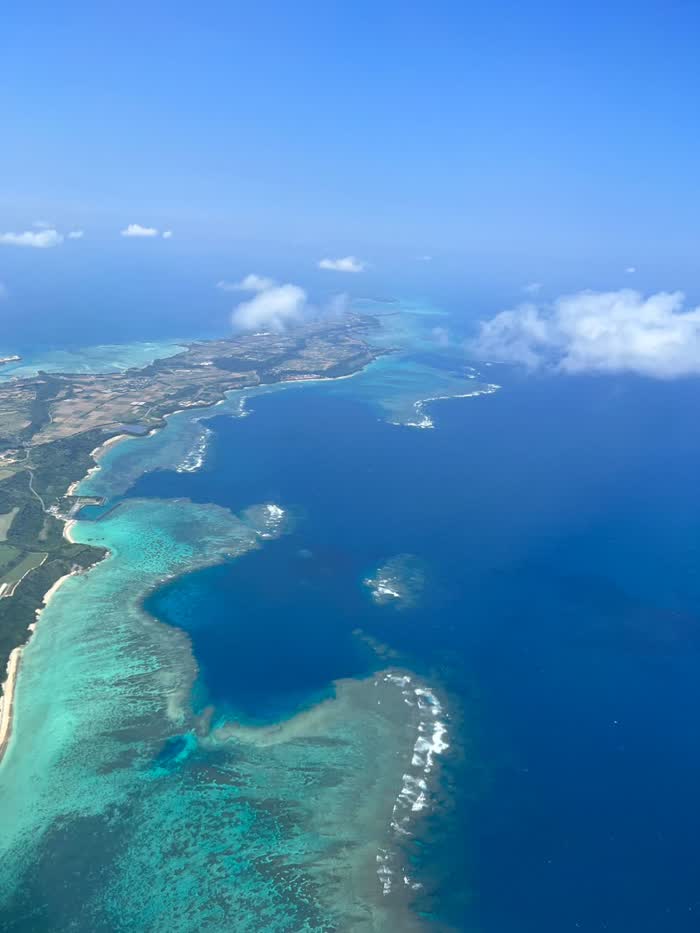
When Tokyo's grey winters and packed trains start to wear you down, Ishigaki Island is about as far from that feeling as Japan gets — coral reefs, mangrove rivers, and a pace of life that runs on island time, not train schedules. It's part of the Yaeyama Islands, Japan's southwesternmost chain, closer to Taipei than to Tokyo, with a climate and culture that feels genuinely distinct from mainland Japan.
Getting there
Direct flights from Haneda or Narita to Ishigaki Airport take roughly 3.5 hours — similar to flying to Southeast Asia, but entirely domestic, so no visa, customs, or long immigration lines. Peak season (July–August) gets hot, humid, and busy with typhoon risk at its highest; late spring (April–May) and autumn (October–November) offer warm water, comfortable air temperatures, and noticeably fewer crowds at the same reef sites.
Beyond the beach
- Kabira Bay — one of Japan's most photographed coastlines; glass-bottom boat tours run over reef that's protected from swimming, so it stays pristine year-round
- Mangrove kayaking on the Miyara River, one of the largest mangrove systems in Japan, with a mix of open water and narrow, jungle-canopied channels
- Taketomi Island — a 10-minute ferry from Ishigaki port, with traditional red-tile-roofed houses, sand-and-coral streets, and ox-cart rides through the village
- Yaeyama cuisine — goat soup (yagi-jiru), Ishigaki beef, and awamori (Okinawan distilled spirit) that you won't find on the mainland
- Star-gazing — Ishigaki has some of the darkest skies in Japan, its own star observatory (Ishigakijima Astronomical Observatory), and is one of the only places in the country where you can see both the Southern Cross and the full Milky Way clearly
Snorkeling and reef conservation
Ishigaki's reefs are among the healthiest remaining in Japan, but they're also under real pressure from coral bleaching events and runoff. Choosing a guide who snorkels with respect for the reef — no standing on coral, reef-safe sunscreen, no touching marine life — genuinely matters here in a way it might not at a more resilient reef system elsewhere. Energy Charge dedicates 3% of Ishigaki retreat proceeds to local coral reef and marine conservation projects for this reason.
Retreat trip vs. regular vacation
A normal Ishigaki trip is beach days and resort hopping. A retreat trip is structured around slowing down: guided reef snorkeling instead of a packaged tour boat, group meals instead of hotel buffets, and time deliberately left open for doing nothing. It's the difference between visiting a place and actually resetting in it — less itinerary, more unstructured time by the water.
What a typical multi-day retreat includes
Most trips run 3–4 nights, combining a mix of guided days (reef snorkeling, a mangrove paddle, a sunset viewpoint) with genuinely free time — a deliberate contrast to the back-to-back itinerary feel of a typical group tour. Accommodation is usually small, local guesthouses rather than resort hotels, both for the more authentic feel and to keep spending in the local community.
Who this is for
Tokyo expats and locals who've hit a wall — overworked, under-rested, craving warm water and slower conversations. Most guests join solo. Energy Charge's Ishigaki retreat groups stay small and bilingual, so you can arrive not knowing anyone and still leave with real friends.