 ENERGY CHARGE
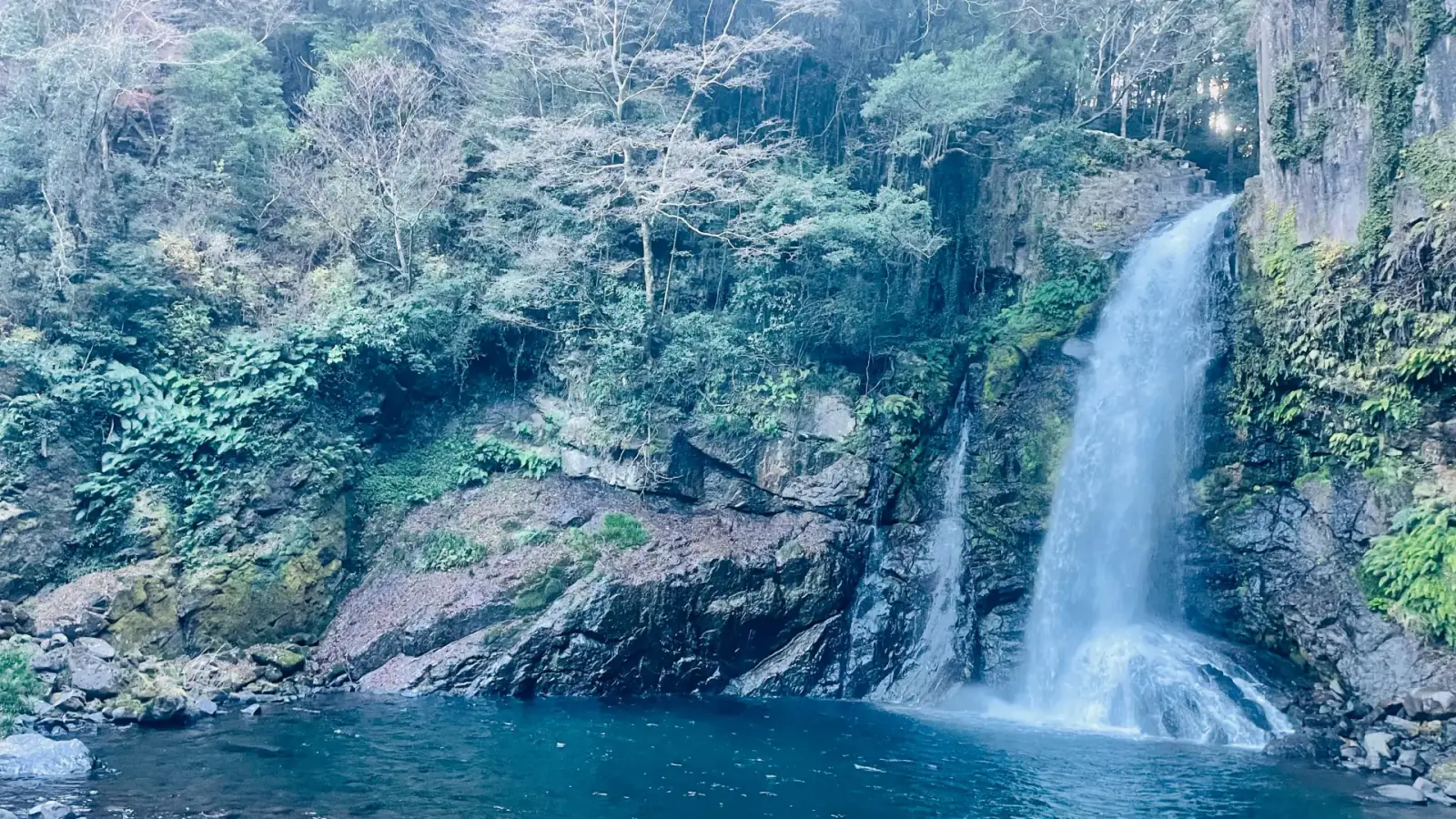
Camping in Japan has a reputation for requiring a car and a trunk full of gear. In reality, the Kanagawa coast and the Okutama river valley — both under two hours from central Tokyo — have campsites you can reach entirely by train and bus, no license or car rental required. This guide covers both the river-and-forest option (Okutama) and the coastal option (Miura Peninsula), since they suit different kinds of trips.
Option 1: River camping in Okutama
Take the JR Ome Line to Okutama Station, the last stop on the line from Tachikawa — about 90 minutes door to trailhead from most central Tokyo stations. From there, local buses connect to riverside campgrounds along the Tama River in about 10–20 minutes. Several sites also run seasonal shuttle vans from the station. The valley narrows here, so you get real forest right up to the water's edge and clear, cold river pools deep enough for a proper swim in summer.
Option 2: Coastal camping on the Miura Peninsula
South of Yokohama, the Miura Peninsula is reachable via the Keikyu Line direct from central Tokyo — no transfers to a bus required at most sites, which makes it the easier of the two options if you're travelling with gear. Miura trades river-valley stillness for open sea views, tidal rock pools to explore at low tide, and campsites where you fall asleep to actual waves. It's also noticeably milder in winter than Okutama, since you're at sea level rather than in the mountains.
What "wild camping" actually means here
Japan doesn't have widespread free/dispersed camping the way some countries do — nearly every riverside or coastal spot near Tokyo is a managed campground with a small fee (often ¥1,000–¥3,000 per night), basic toilets, and sometimes rental gear on-site. What you get in exchange for that small fee is genuinely wild-feeling scenery without needing to know where "wild" camping is technically legal — a real concern in Japan, where camping outside designated sites is often restricted or outright prohibited on private and forestry land.
Gear you can rent instead of buy
- Tents and sleeping mats — most Okutama and Miura sites rent full kits by the night
- Campfire cookware and grills — often included or rentable on-site
- Firewood — almost always sold at the campground; don't forage it, and don't bring your own from outside the prefecture (Japan restricts firewood transport to slow the spread of pests like the pine wilt nematode)
- Life jackets and river shoes at Okutama sites with swimming areas — usually a small rental fee
If you're only camping once or twice a year, renting is far cheaper than buying and storing gear in a Tokyo apartment, and it means you can show up with just a backpack.
What to actually pack
Even when tents and cooking gear are provided, bring: a headtorch (campsite lighting is minimal to non-existent after dark), insect repellent from May through September, a dry bag for a phone if you're near water, and cash — card machines are rare at rural campground offices.
Etiquette that matters
Fires stay inside designated pits or fire stands, never directly on the ground. Quiet hours are taken seriously after 9–10pm, more so than in many Western camping cultures — this isn't a place for a loud group late into the night. Pack out everything, including cigarette butts and bottle caps; sites are inspected between bookings and can ban repeat offenders from future stays.
Best time of year
Okutama's river sites are best June through September, when the water is warm enough to swim and the forest is at its greenest — avoid the rainy season in early-to-mid June if you can, since river levels rise fast. Miura's coast works nearly year-round; autumn (September–November) brings clear skies and fewer people than the summer beach crowds.
Skip the planning, join a group
Energy Charge runs guided overnight camp retreats to both regions — gear, site booking, and cooking are all handled, so your only job is to show up at the station. Good for solo travelers who want the experience without solo-planning the logistics, and for anyone who'd rather have a bilingual guide handle the site-etiquette details on a first trip.